
For Research Use Only. Not for human use.
Ultra Pure Peptides – Research Use Only – Raw Material Sourced from the USA
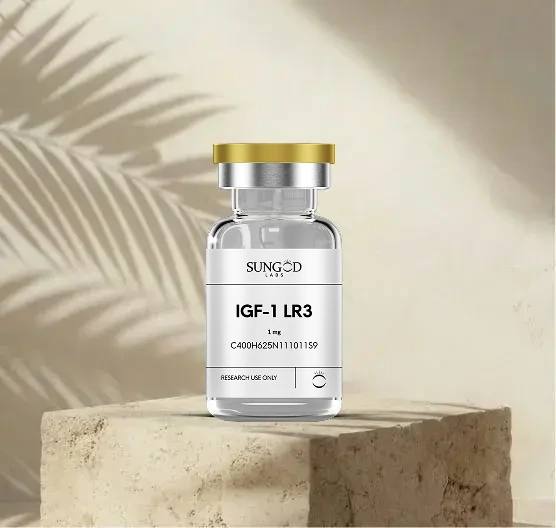

$127.00
IGF-1 LR3 is a synthetic, long-acting analog of insulin-like growth factor 1 (IGF-1), a naturally occurring growth factor involved in muscle repair, fat metabolism, cell regeneration, and anabolic growth. The LR3 version has been chemically modified for increased potency and a significantly extended half-life. It is commonly used for muscle development, anti-aging, and recovery.
85 in stock
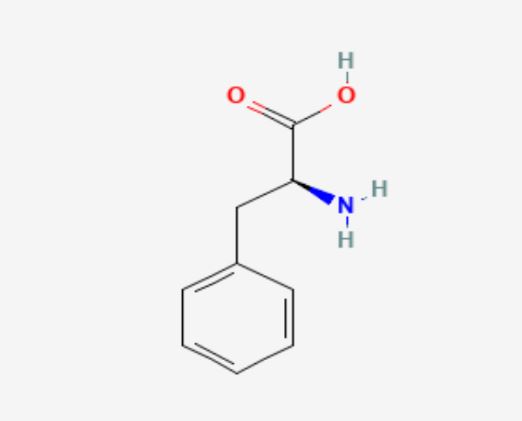
IGF-1 LR3 is a modified form of Insulin-Like Growth Factor-1 (IGF-1). It has 83 amino acids, which makes it longer than the natural IGF-1 peptide and increases its stability in the human body.
The peptide has an arginine substitution at position 3 and has an additional 13-amino acid at the N-terminal end, which reduces the chance of its binding to IGF binding proteins and increases its biological activity.
It is a freeze-dried form, which is a white powder that is mixed with water before usage for research purposes
Recent research is ongoing on how IGF-1 LR3 affects muscle cell multiplication and its regeneration, which is a very interesting subject for muscle development and tissue repair research.
Scientists are curious about its role in promoting protein synthesis and cell growth by activating signaling pathways that regulate the tissue development processes, and this is the reason laboratory workers are now searching for IGF-1 LR3 for their research.
Some researchers are studying how IGF-1 LR3 can work by supporting faster recovery of damaged tissues, such as muscles or other tissues as well.
IGF-1 LR3 is mainly being studied because having the ability to bind the receptors of IGF-1 present in so many types of cells throughout the body.
When it binds to the receptor, it starts working by activating signaling pathways that are involved in cell growth and survival, such as PI3K/AKT and MAPK.
These pathways stimulate protein synthesis inside cells, which helps promote tissue growth and cellular repair processes.
Because of its structural modification, IGF-1 LR3 binds less strongly to IGF binding proteins, which allows it to remain active for a longer period as compared to natural IGF-1.
Findings: Promotes hypertrophy and muscle regeneration; activates satellite cells
Findings: Low IGF-1 linked to muscle loss; supplementation may help prevent sarcopenia
Findings: Improves brain plasticity and neuronal survival in models of neurodegeneration
Findings: Enhances bone mineralization and osteoblast function
Findings: Increases glucose uptake and improves insulin sensitivity
Findings: Extended half-life and reduced IGFBP binding increase anabolic effects
Summary Article: IGF-1 and its analogs: potential for treating muscle wasting
Note : Please review and adhere to our Terms and Conditions before ordering
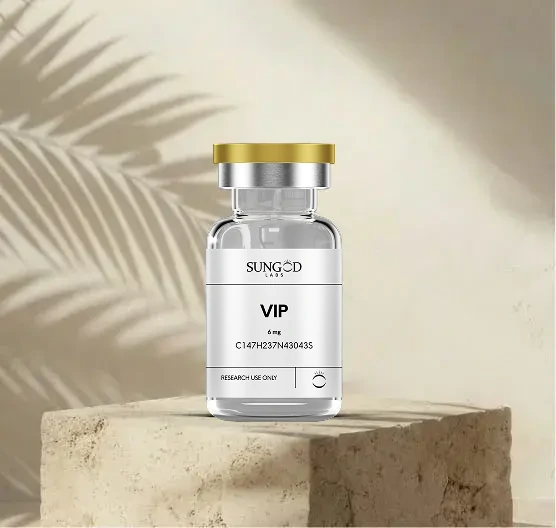
Vasoactive Intestinal Peptide (VIP) is a 28-amino acid neuropeptide initially discovered in the small intestine but now known to be distributed widely throughout the nervous, immune, cardiovascular, and endocrine systems. It plays a vital role in regulating smooth muscle activity, vasodilation, neurotransmission, circadian rhythms, immune modulation, and pulmonary and gastrointestinal health. Due to its broad activity, VIP is being explored for use in respiratory, autoimmune, neurological, and metabolic conditions.
| Quantity | 6mg |
|---|
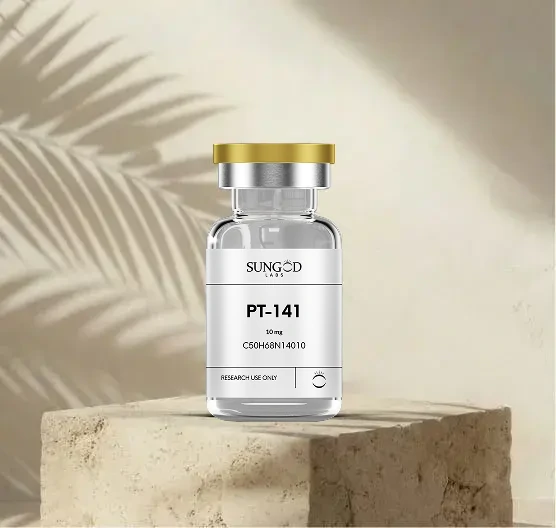
PT-141, also known as Bremelanotide, is a synthetic peptide developed as a melanocortin receptor agonist for the treatment of sexual dysfunction in both men and women. Unlike drugs that act on vascular pathways, PT-141 targets the central nervous system to enhance sexual desire and arousal, making it a novel option for individuals with low libido who may not respond to traditional hormone or PDE5-based therapies.
| Quantity | 10mg |
|---|
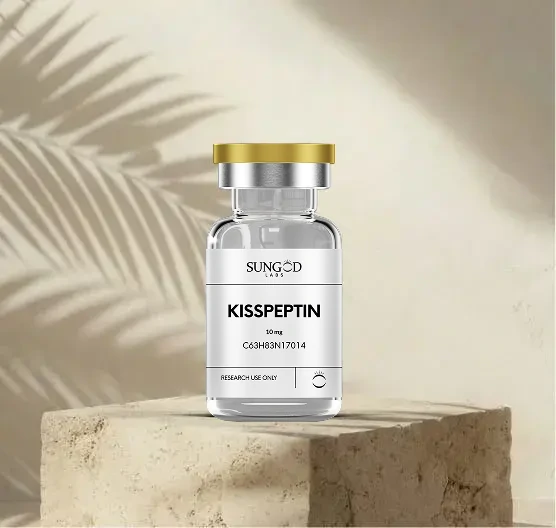
Kisspeptin is a neuropeptide hormone that plays a central role in the regulation of the reproductive hormone axis. It acts as a master regulator of gonadotropin-releasing hormone (GnRH) by binding to the KISS1 receptor (GPR54) in the hypothalamus. This triggers the release of GnRH, which subsequently stimulates the secretion of luteinizing hormone (LH) and follicle-stimulating hormone (FSH), governing sex hormone production and reproductive function. Kisspeptin is increasingly recognized for its therapeutic potential in fertility, puberty regulation, and hormone restoration.
| Quantity | 10mg |
|---|
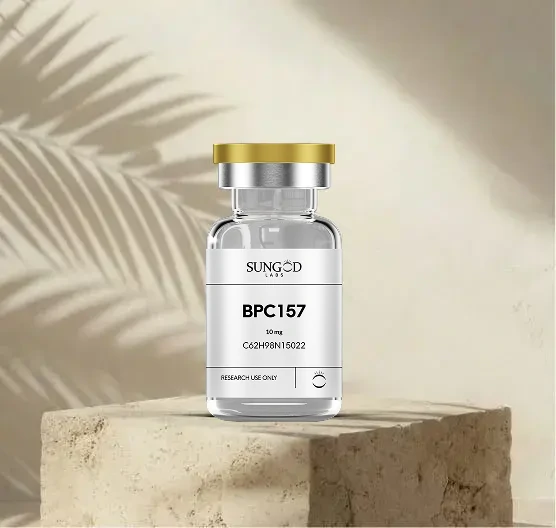
BPC-157 (5mg) / 10(mg) is a peptide that has been widely studied in regenerative medicine and sports rehabilitation. BPC-157 is a synthetic pentadecapeptide derived from a protein found in gastric juice. Each peptide promotes healing through distinct mechanisms: BPC-157 enhances angiogenesis and reduces inflammation. It offers a synergistic effect in supporting tissue regeneration, soft tissue recovery, and inflammation control.
| Quantity | 5mg, 10mg |
|---|