
For Research Use Only. Not for human use.
Ultra Pure Peptides – Research Use Only – Raw Material Sourced from the USA

$80.00
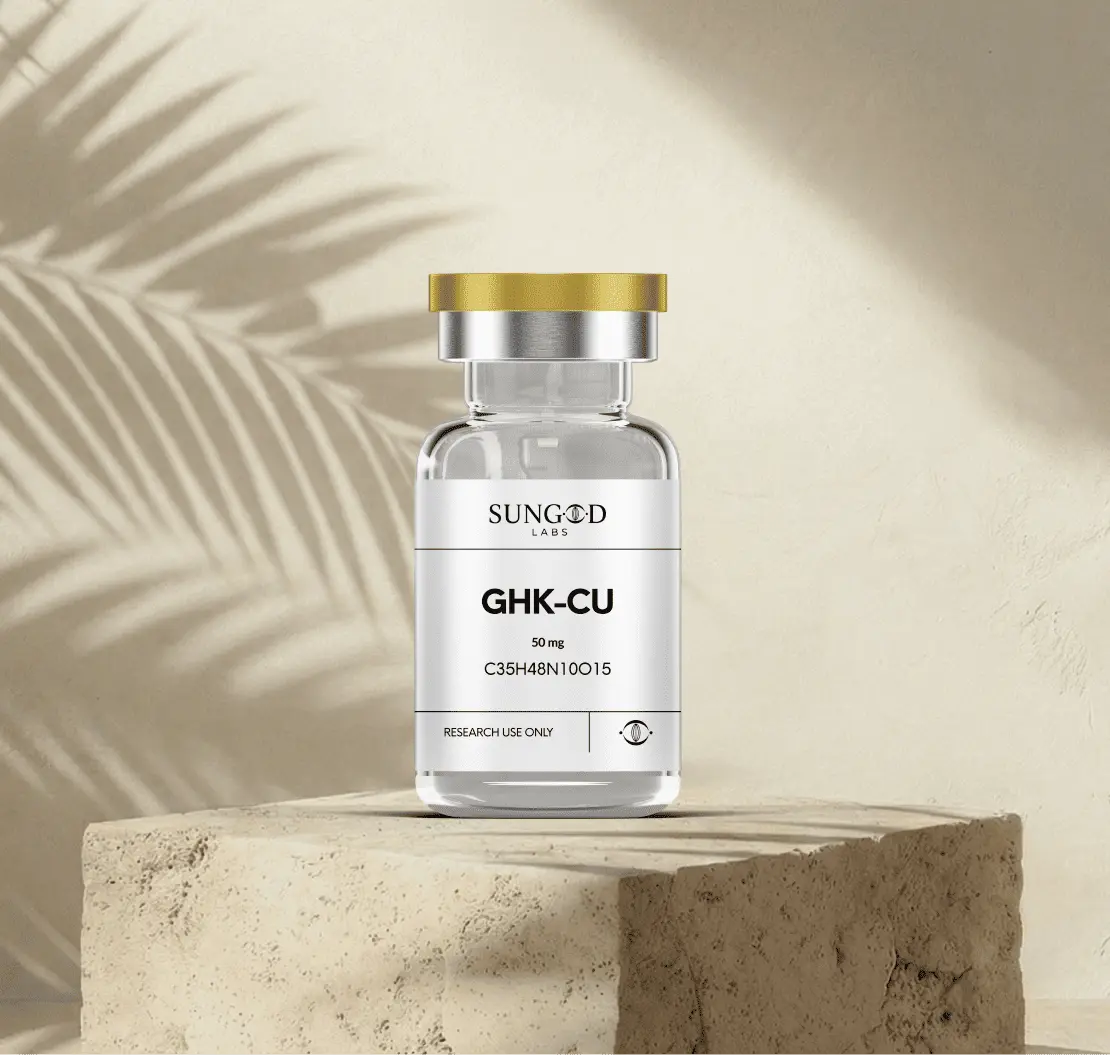
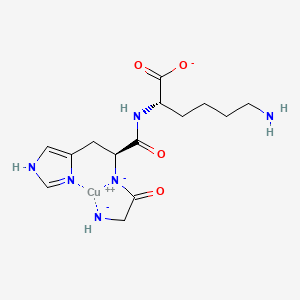
GHK-Cu (Glycyl-L-Histidyl-L-Lysine-Copper) is a naturally occurring tripeptide that binds copper ions and plays a vital role in skin repair, wound healing, hair growth, and anti-ageing. This ghk cu copper peptide has a high affinity for copper and a presence in human plasma and tissues; it is widely used in regenerative and cosmetic applications. It is also commonly researched in ghk cu peptide skincare formulations because of its ability to stimulate collagen production, modulate gene expression, and provide antioxidant and anti-inflammatory benefits.
44 in stock
It is a white freeze-dried powder which is provided in vials for research purposes, cosmetic usage or in some conditions for therapeutic study. GHK cu 50mg is mainly supplied in controlled laboratory packaging.
Chronic Wound Repair: Studies are focusing on the usage of peptides ghk-cu to help our healing diabetic ulcers and ischemic wounds. Research is showing that it can work by increasing the synthesis of collagen upto 70%.
Fibroblast and Collagen Support: Researchers also want to understand how GHK_Cu (50 mg), studied by laboratories, supports fibroblasts present in the skin to produce collagen and elastic production, which will enhance its healing and elasticity.
Epigenetic Modulation: Recent studies are showing that GHK_Cu downregulates or upregulates about 4000 human genes, which helps them to keep a healthy and youthful state.
Lung Protection: Recent researchers conclude that GHK-Cu, available in research preparations, may suppress inflammation and, through this, prevent mice from bleomycin-induced pulmonary fibrosis and also protect them from Acute Lung Injury (ALI).
50 mg is used for research purposes because it is a high quantity; however, molecular mechanisms are carried out by small concentrations, which is why compounds like ghk-cu peptide in research are typically used only in controlled laboratory studies.
GHK-Cu, researched in formulations, acts as a carrier, transporting essential copper(II) ions to cells to activate enzymes such as cytochrome c oxidase, while preventing iron-mediated oxidative stress.
This works by enhancing the production of collagen, elastin and glycosaminoglycans by fibroblasts, which provides skin thickness and reduces the fine lines of skin.
GHK-Cu regulates the matrix metalloproteinases and their inhibitors that work by breaking down and remodelling the damaged tissue, which increases the wound healing process.
Study: Pickart et al., Journal of Investigative Dermatology, 1999
Findings: Stimulated collagen, elastin, and GAG synthesis; promoted angiogenesis and reduced inflammation
Study: Loren Pickart, Journal of Cosmetic Dermatology, 2004
Findings: Improved skin thickness, elasticity, and hydration; reduced wrinkles and hyperpigmentation
Study: Hair Growth Research Journal, 2007
Findings: Increased follicle size, stimulated dermal papilla cells, extended anagen phase, which is why researchers are studying ghk-cu peptide for hair and its follicle-supporting mechanisms.
Study: Pickart et al., Journal of Genomic Research, 2012
Findings: Influenced 4,000+ genes related to repair, inflammation, and tissue remodeling
Study: Cellular Antioxidant Research, 2010
Findings: Stimulated superoxide dismutase (SOD) to protect against oxidative stress
Study: Inflammatory Research Studies, 2013
Findings: Lowered pro-inflammatory cytokines, accelerating tissue recovery
Study: Oncology Research Journal, 2016
Findings: Suggested inhibitory effects on cancer cell growth and pro-apoptotic gene expression (preliminary)
Study: Dermatology Science Journal, 2015
Findings: Reduced UV-induced DNA damage and promoted faster skin healing
Note : Please review and adhere to our Terms and Conditions before ordering
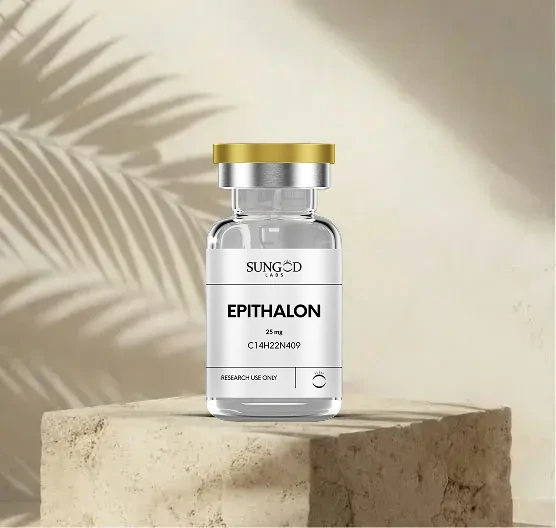
Epithalon is a synthetic tetrapeptide studied for its potential role in cellular ageing, telomere regulation, and biological longevity. It has been studied for its potential role in telomerase activity, telomere length regulation, sleep-related pathways, immune response, and oxidative stress. With a strong history of research in Russia and Europe, Epithalon is investigated for its potential in delaying biological ageing and improving overall life span.
| Quantity | 25mg |
|---|
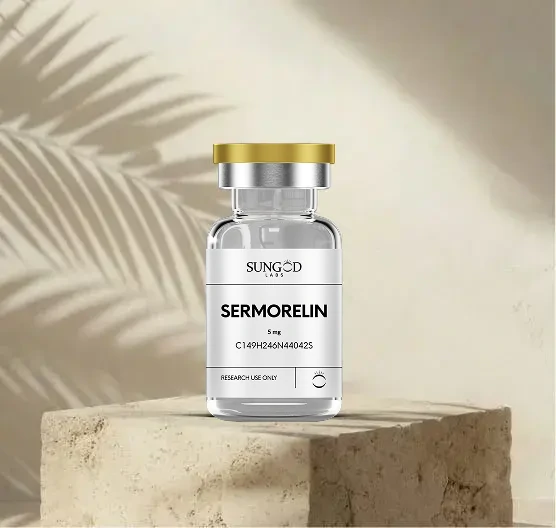
Sermorelin (5mg) functions as a growth hormone-releasing hormone (GHRH) analogue. It is composed of the first 29 amino acids of the natural human GHRH, making it capable of stimulating the pituitary gland to secrete endogenous growth hormone (GH). This peptide is often used in cases of GH deficiency and as part of anti-ageing or wellness protocols due to its ability to naturally enhance GH production without suppressing the body’s feedback mechanisms.
| Quantity | 5mg |
|---|
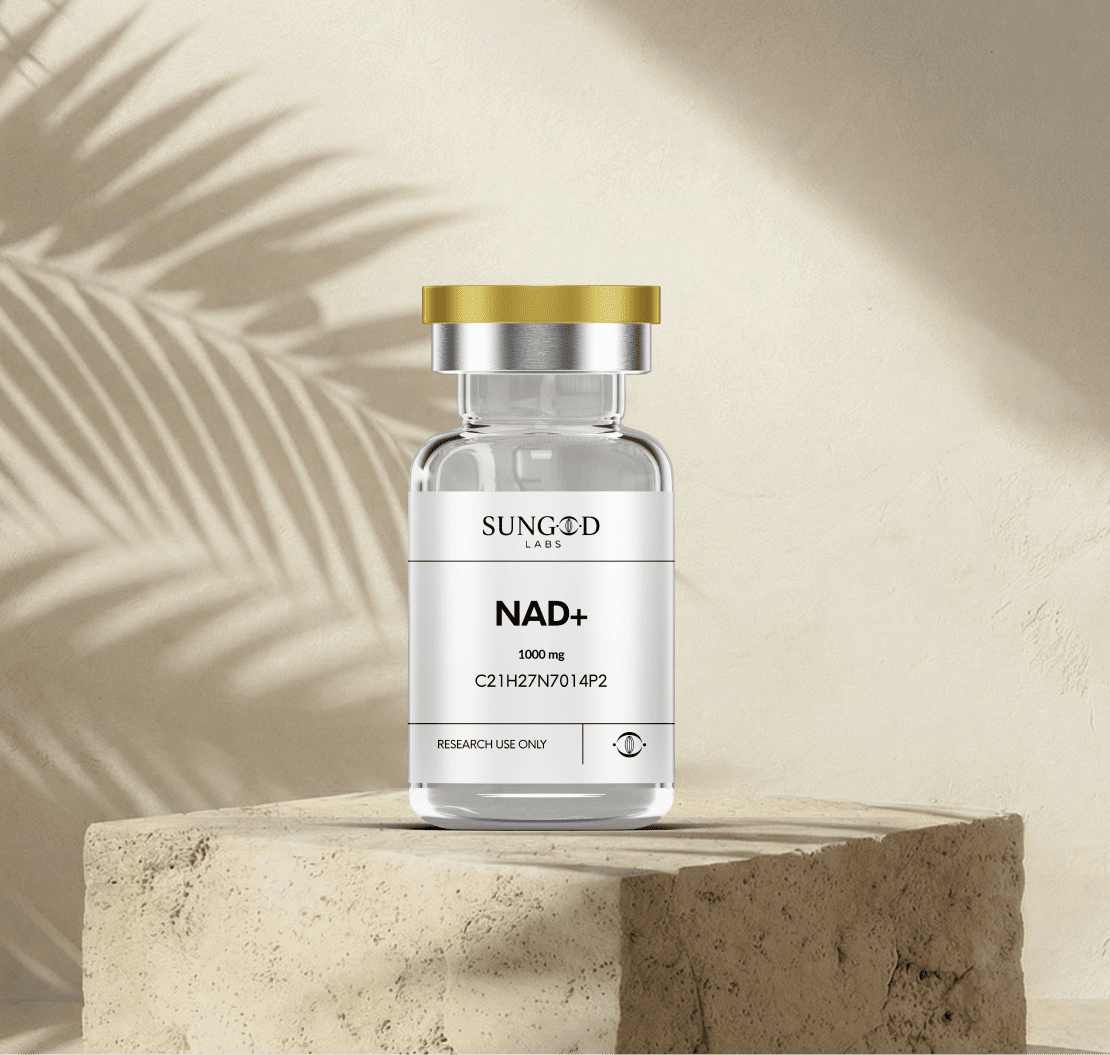
NAD⁺ (Nicotinamide Adenine Dinucleotide) is a vital coenzyme present in all living cells, critical to energy metabolism, DNA repair, mitochondrial function, and cellular signalling. It exists in oxidized (NAD⁺) and reduced (NADH) forms and plays a central role in ageing, neurodegeneration, immunity, and metabolic health. As NAD⁺ levels decline with age, supplementation strategies (e.g., NMN, NR) are being explored to enhance healthspan and lifespan.
| Quantity | 1000mg |
|---|

GLP-1 R activates GLP-1, GIP, and glucagon receptors and is used in laboratory research to study metabolic pathways, receptor activity, and peptide interactions. Compounds like this are commonly studied in preclinical and research settings to explore potential therapeutic mechanisms.
| Quantity | 16mg, 24mg |
|---|