
For Research Use Only. Not for human use.
Ultra Pure Peptides – Research Use Only – Raw Material Sourced from the USA
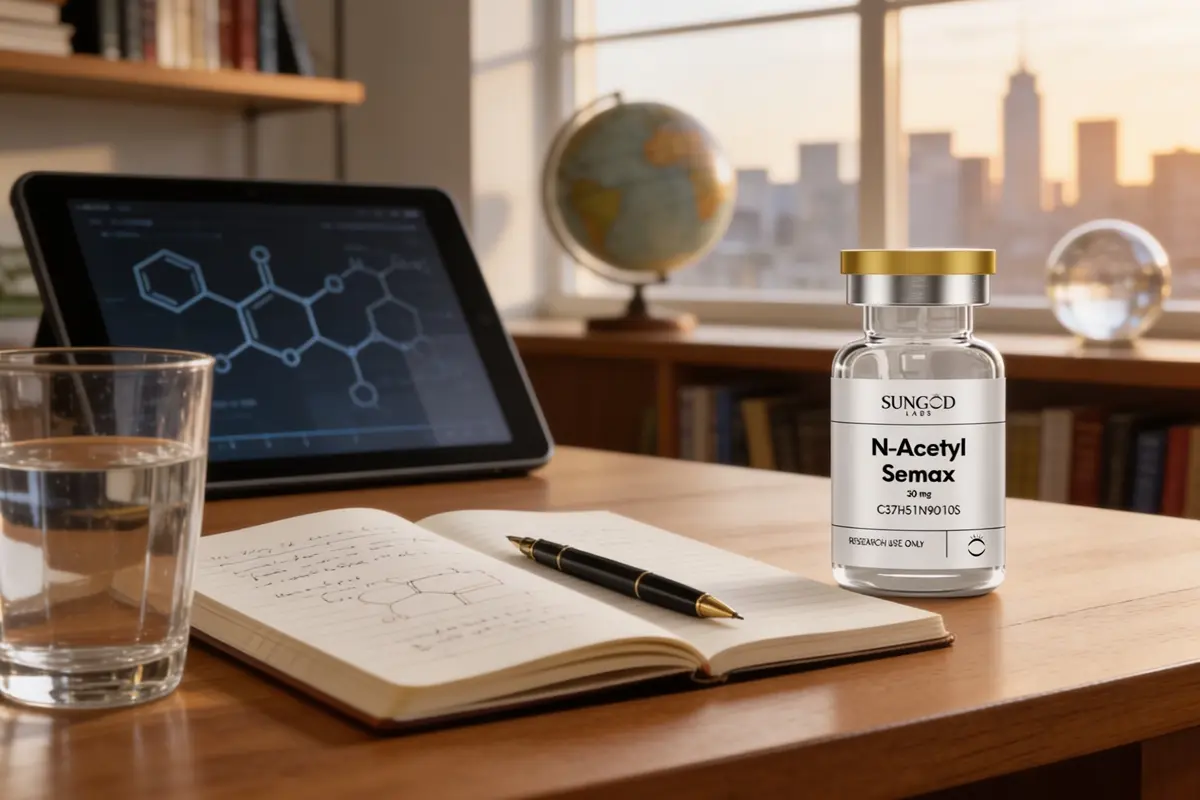
N acetyl semax (30mg) is a synthetic potent neuroprotective peptide especially designed for enhancing memory, focus and cognitive functions. It’s commonly used as a nootropic for boosting brain-derived neurotrophic factor.
We take accuracy seriously. Every piece of content we publish is built on peer-reviewed research, clinical insights, and evidence-based data—not trends or assumptions.
Our articles are reviewed and verified by clinicians, researchers, and subject-matter experts to ensure medical and scientific accuracy. We cross-check information against trusted sources, including published studies, pharmacological data, and real-world clinical observations.
We also follow a strict editorial process:
Composition: N acetyl semax is a derivative of the adrenocorticotropic hormone fragment, which provides resistance to peptide degradation in the body.
Concentration: Various products offer about 30mg of it in the 15ml vial bottles; it’s often used at a concentration of about 240mcg per spray.
Storage: Its lyphilized powder form is highly suitable for long-term storage, as it can be refrigerated after reconstitution to ensure it has maximum shelf life.
Common Use Cases: It’s used for improving memory and focus as it combats cognitive decline. Some use it for managing high pressure and the work environment.
Administration: It’s often believed to be delivered through a nasal spray; its personal uses are not recommended, and it’s a research-grade peptide.
Memory Boosting And Cognitive Functions: N acetyl semax (30mg) is believed to improve cognitive function, memory retention, focus and flexibility.
Neuroprotective Properties: It safeguards neurons from hypoxia, neurotoxicity and promotes neuronal survival.
BDNF Production: It increases BDNF, nerve growth factor and promotes neuroplasticity.
Pregnant or Breastfeeding Individuals: There’s sufficient safety data for fetal development and lactation, which makes it unsuitable for such women.
Children and Teenagers: Due to a lack of research and safety, it’s not promoted for the younger population and is definitely not recommended.
Individuals with Acute Psychosis or Severe Psychological Instability: Semax affects the nervous system and can have stimulatory effects; it should be avoided by those with severe mental health issues.
Individuals with Allergies to Peptides: If you are hypersensitive to synthetic peptides or components of the formula should avoid it.
Individuals with High Blood Pressure (Hypertension): Semax can cause temporary spikes in blood pressure if consumed at higher doses, which makes it problematic for individuals with existing cardiovascular diseases.
Individuals with Anxiety or Insomnia: Being potent as a nootropic, it can cause restlessness, nervousness, or insomnia. It’s highly recommended to avoid taking it late in the day.
Those Taking Other Medications: It impacts the neurotransmitters and can interact with antidepressants (SSRI, MAOIS), antipsychotics, and other stimulants.
Individuals with Liver or Kidney Conditions: It’s not considered safe for the population suffering from liver or kidney conditions.
30mg Strength: A 30 mg vial of about 15 ml of the 0.2% solutions is a research-grade amount meant for multiple doses. The 30mg can refer to the total content of the vial, not a single dose.
Side Effects: N acetyl semax amidate is generally tolerated, and the potential side effects can include nasal irritation, headache, nausea, and sleep disturbance.
The N-acetyl semax 30 mg is, although a promising peptide, if you want to support focus, cognitive performance and memory. But its enhanced stability and neuroprotective properties are still unknown. It has equally gained attention among researchers and nootropic users.
The early findings and user reports are encouraging, but it’s essential to approach it with realistic expectations and responsible use. The responses can vary, and long-term human research may still be needed to understand its effects.
https://pmc.ncbi.nlm.nih.gov/articles/PMC8855339/
https://www.sciencedirect.com/science/article/abs/pii/S0162013416302392

Dr Parker is a molecular biologist; she specialises in therapeutic and regenerative medicine. With almost 10 years of experience in peptide research, Dr Parker has contributed to research on cellular health and muscle recovery.