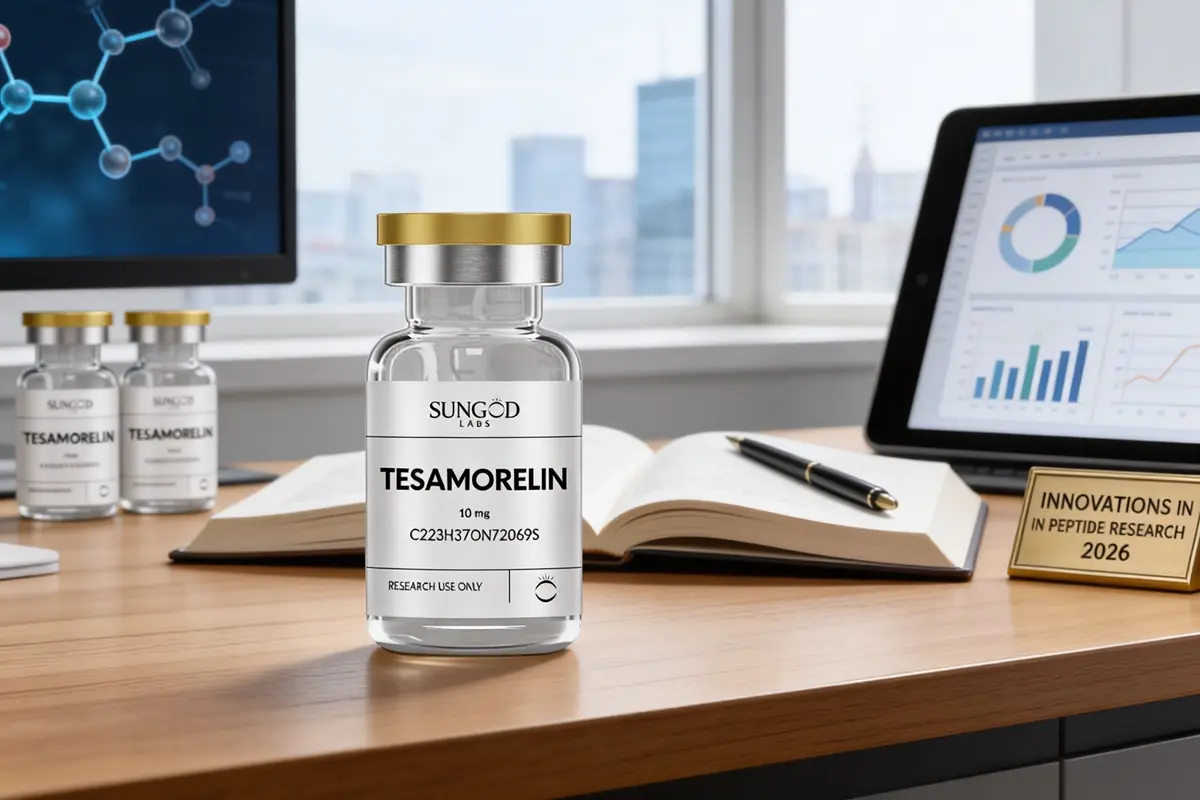

For Research Use Only. Not for human use.
Ultra Pure Peptides – Research Use Only – Raw Material Sourced from the USA

This article references major randomized controlled trials, including STEP (semaglutide), SURMOUNT (tirzepatide), and SURPASS studies, along with peer-reviewed endocrinology and obesity pharmacotherapy literature indexed in PubMed and NEJM.
The content is written to reflect the current clinical understanding of the GLP-1, dual incretin therapies and agonists that focus on validated physiological mechanism and trial-based outcomes.
This is intended for informational purposes only and doesn’t replace the medical advice in any way. The therapies discussed here should be evaluated and prescribed by healthcare professionals.
Research peptides GLP-1 is a gut hormone that is released after eating. It helps in regulating blood sugar by increasing insulin secretion, slows digestion and reduces appetite.
GLP-1 R (glucagon-like peptide-1) is a natural hormone produced in the gut. It regulates the blood sugar, signals fullness to the brain and slows the stomach emptying. The GLP-1 receptor agonist is a synthetic, and injectable for the oral medications that can mimic the hormone. It’s commonly used for type 2 diabetes and obesity as it reduces appetite and promotes weight loss.
Seamglutide is a glucagon-like peptide-1 (GLP-1) it’s a receptor agonist that mimics a hormone that targets brain areas that regulate appetite and satiety. It promotes a highly significant weight loss and blood sugar control. It’s used for treating type 2 diabetes and reducing cardiovascular risks.
Tirzepatide is dual GIP and GLP-1 receptor agonist, not a pure GLP-1 drug. It’s a class of drugs that mimics the glucagon-like peptide hormone and treats type 2 diabetes and obesity. Its common examples are Ozempic and Mounjaro.
It primarily targets GLP-1 receptors, regulates insulin and glucagon and slows gastric emptying.
The GLP- (semaglutide), on the other hand, refers to daily injections like Victoza, they have shorter action duration and offer strong glycemic control but less profound weight loss.
It acts on various receptors like GIP+ GLP-1 T or triple agonists. They provide efficacy in weight reduction and HbA1c control combines complementary metabolic mechanisms.
The GLP-1 therapies operate through one common central biological system that is known as the incretin pathway. It involves the GLP-1R. This receptor is found in the metabolic organs like the pancreas, gastrointestinal tract, and brain. It plays an important role in regulating blood sugar and appetite.
The GLP-1-based compounds can interact with the system, mimic and enhance the activity of the natural hormone GLP-1. This can lead to a coordinated set of metabolic effects.
The activation of the GLP-1 receptor in the hypothalamus can signal the feeling of fullness. This reduces hunger and cravings. This is the main reason why these therapies support weight loss.
Food will move slowly from the stomach to the intestines, which increases the fullness after meals and reduces the calorie intake.
The GLP-1 receptor activation will increase the insulin release only when the blood glucose is elevated. It helps the body manage sugar efficiently without causing any insulin activity.
These therapies will suppress the glucagon, a hormone that raises blood sugar, and help prevent any unnecessary glucose production in the liver.
All of these GLP-1 peptides share the same pathway, but different compounds may interact with it differently.
GLP-1 Receptor Agonist: It activates the GLP-1 receptor and follows the same pathway
Dual Incretin Agonist: it activates the GLP-2 receptor and an additional GIP receptor, as it amplifies the metabolic effects beyond the core pathways.
The GLP-1 receptor itself is the biological target, and all these therapies will act upon it.
The GLP-1 R therapies work through the GLP-1 receptor pathway; they share many core benefits related to appetite regulation, metabolic health and glucose control. The individual drugs can differ in strength and additional pathways. The overall outcomes can be mildly related.
The most noticeable effect is a reduction in the hunger signals. So, by acting on the appetite-regulating centres in the brain, the GLP-1-based therapies can reduce food cravings and promote satiety during meals. This can lead to a natural decrease in calorie intake without any strict dieting.
After combining the reduced appetite with improved metabolic efficiency, these therapies can support clinically meaningful weight loss over time. This effect is especially studied in GLP-1 receptor agonists like semaglutide and dual agonists like tirzepatide, the latter can show much stronger weight reduction in clinical trials.
The GLP-1-based therapies can enhance the insulin secretion in a glucose-dependent manner, which means the insulin is only released when necessary; at the same time, they can reduce the excess glucagon production. This kind of dual action can help stabilize the blood glucose level and is especially beneficial in type 2 diabetes.
So, over time, such therapies can improve how the body responds to insulin and processes glucose. This leads to better metabolic control and reduced glycemic variability.
The clinical studies show high potential benefits that go beyond weight and glucose control. It includes improved cardiovascular risk markers like pressure, inflammation, and lipid profiles in various patient groups.
These therapies lower the appetite and improve the satiety signals. These can indirectly reduce the strain on various metabolic systems caused by chronic overeating and insulin spikes.
These GLP-1 based therapy can share several benefits, as their outcomes can vary depending on:
Not for pregnancy: the GLP-1 Therapies agonists are not safe to take during pregnancy, because reliable birth control is required during pregnancy.
These medications should be prescribed and monitored by a doctor who can evaluate their medical history, potential risks like cancer and pancreatitis.
These drugs are designed to work alongside a calorie-deficient diet and increased physical activity.
Common side effects are vomiting, nausea, diarrhea, and constipation. Which occurs during treatment.
The future of drugs aims for higher weight loss, with trials like retatrutide, it shows potential for about 20% body weight reduction.
Aside from weight loss, these drugs can enter the landscape of neuroprotection (Alzheimer’s), cardiovascular reduction, chronic kidney disease, metabolic dysfunction, and steatohepatitis.
GLP-1–based therapies have transformed the approach to managing obesity and type 2 diabetes by targeting the body’s natural metabolic pathways. All three—GLP-1 receptor activity, semaglutide-based treatments such as Semaglutide, and dual-agonist therapies like Tirzepatide—work through related mechanisms that improve appetite control, blood sugar regulation, and overall metabolic balance.
https://www.ncbi.nlm.nih.gov/books/NBK551568/
https://www.sciencedirect.com/science/article/pii/S266736812500066X
https://jamanetwork.com/journals/jama/fullarticle/2842199
https://www.uchicagomedicine.org/forefront/research-and-discoveries-articles/research-on-glp-1-drugs
https://www.mdpi.com/1999-4923/17/8/1036
https://medicine.washu.edu/news/study-identifies-benefits-risks-linked-to-popular-weight-loss-drugs/



Dr Parker is a molecular biologist; she specialises in therapeutic and regenerative medicine. With almost 10 years of experience in peptide research, Dr Parker has contributed to research on cellular health and muscle recovery.