
For Research Use Only. Not for human use.
Ultra Pure Peptides – Research Use Only – Raw Material Sourced from the USA

$195.00 – $398.00Price range: $195.00 through $398.00
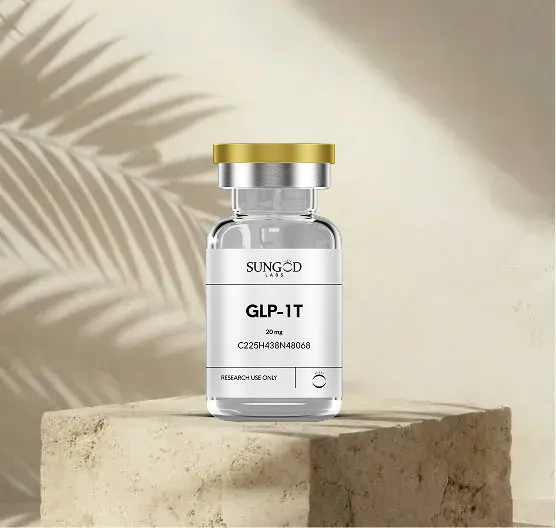
GLP-1 T It is the first dual GIP (glucose-dependent insulinotropic polypeptide) and GLP-1 (glucagon-like peptide-1) receptor agonist being studied for enhancing glycemic control and inducing significant weight loss. Its dual action makes it more effective than traditional GLP-1 therapies in both metabolic and cardiovascular health domains.
GLP_1 T is made to mimic the activity of human metabolic hormones. It works by binding to GLP-1 and GIP receptors, which are involved in the metabolism of glucose, hunger signals, and insulin responses. Researchers who are studying this activity search for GLP 1 peptide.
This product is available in a freeze-dried white powder. It should be mixed with bacteriostatic water before using for research purposes. This form provides this product with stability that maintains the peptide for use in laboratory experiments.
Researchers are studying how GLP-1 T can regulate glucose levels in the blood by managing insulin release and improving glucose control. As it activates two receptors, it is believed that it may produce a stronger metabolic effect than the other GLP-1 peptides.
Studies suggest that these GLP-1 related peptides affect the signals of appetite in the brain, also slow down the gastric emptying, and produce a feeling of fullness, which eventually results in low food intake. Because of this mechanism, scientists are searching for GLP-1 peptides to study GPL-1 T for obesity and metabolic studies.
Research indicates that GLP-1 T can also help with cardiometabolic health. Other studies also indicate that GLP-1 receptors contribute to improving lipid metabolism, reducing inflammation, and improving cardiovascular function as well. Because of these benefits, researchers are using peptides.
GLP-1 T is commonly used in research for its property to activate both the GLP-1 and GIP receptors present in the pancreas, digestive tract, and in some areas of the brain, too.
After these receptors become activated, they produce a signal to pancreatic beta cells to release insulin, and this helps the body manage high glucose levels properly.
This activity can also help in reducing the release of glucagon, which normally increases the sugar levels in blood; this lower glucagon condition helps to better glucose balance.
This GLP-1 T also affects hunger pathways in the hypothalamus as well by providing satiety signals to the brain, so it will eventually result in lower eating.
By all of the above pathways, GLP-1 T from SunGod Labs is being commonly studied by researchers for its potential role in metabolic regulations, controlling glucose, and appetite-related studies.
Study: SURMOUNT-1
Findings: Up to 22.9% average body weight reduction over 3 years in people with prediabetes and obesity
Study: SURMOUNT-3
Findings: 21.1% mean weight loss post-lifestyle intervention, totaling 26.6% over 84 weeks
Finding: Tirzepatide resulted in greater weight loss (20.2%) than semaglutide (13.7%)
Finding: Reduced progression from prediabetes to T2DM by 94% over 3 years
Finding: Reduced heart failure risk by 38%, and an average weight loss of 15.7% in obese patients with HFpEF
Study: Compared to Semaglutide
Finding: Tirzepatide was both noninferior and superior in reducing HbA1c over 40 weeks
Note : Please review and adhere to our Terms and Conditions before ordering
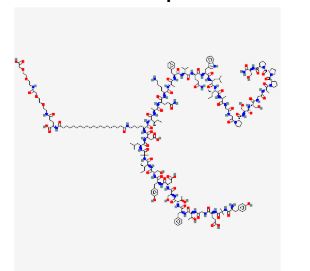
Sequence (39–amino-acid synthetic peptide):
Tyr–Aib–Glu–Gly–Thr–Phe–Thr–Ser–Asp–Tyr–Ser–Ile–Aib–Leu–Asp–Lys–Val–Gln–Ala–Ala–Lys–Ala–Phe–Gly–Glu–Ala–Leu–Ala–Glu–Glu–Glu–Glu–Glu–Glu–Glu–Glu–Gly–Gly–Gly
Molecular Formula:
C₂₂₅H₃₄₈N₄₈O₆₈
Molecular Weight:
≈ 4,813.5 g/mol
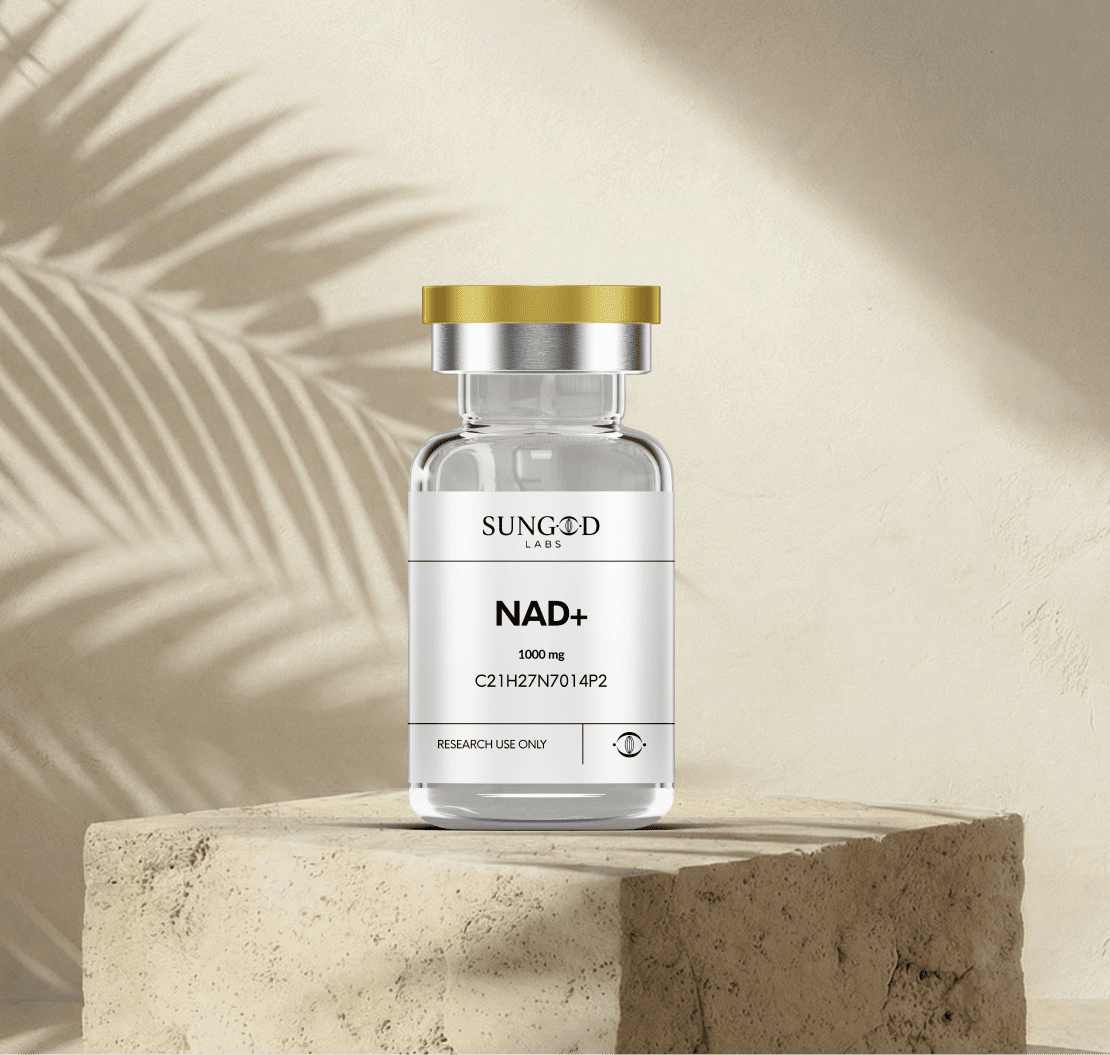
NAD⁺ (Nicotinamide Adenine Dinucleotide) is a vital coenzyme present in all living cells, critical to energy metabolism, DNA repair, mitochondrial function, and cellular signalling. It exists in oxidized (NAD⁺) and reduced (NADH) forms and plays a central role in ageing, neurodegeneration, immunity, and metabolic health. As NAD⁺ levels decline with age, supplementation strategies (e.g., NMN, NR) are being explored to enhance healthspan and lifespan.
| Quantity | 1000mg |
|---|

N Acetyl Selank (10mg) is a synthetic peptide derived from Selank, which itself is an analogue of the human tuftsin peptide. This acetylated version is designed for enhanced stability and potency, offering nootropic, anxiolytic, and neuroprotective benefits. It modulates key neurotransmitters like serotonin, dopamine, and GABA, and has been researched for its effects on anxiety reduction, mood stabilization, cognitive enhancement, and immune regulation.
| Quantity | 10mg |
|---|
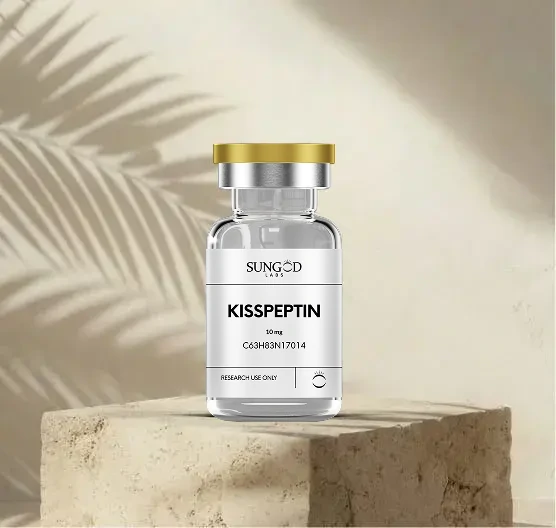
Kisspeptin is a neuropeptide hormone that plays a central role in the regulation of the reproductive hormone axis. It acts as a master regulator of gonadotropin-releasing hormone (GnRH) by binding to the KISS1 receptor (GPR54) in the hypothalamus. This triggers the release of GnRH, which subsequently stimulates the secretion of luteinizing hormone (LH) and follicle-stimulating hormone (FSH), governing sex hormone production and reproductive function. Kisspeptin is increasingly recognized for its therapeutic potential in fertility, puberty regulation, and hormone restoration.
| Quantity | 10mg |
|---|

GLP-1 R activates GLP-1, GIP, and glucagon receptors and is used in laboratory research to study metabolic pathways, receptor activity, and peptide interactions. Compounds like this are commonly studied in preclinical and research settings to explore potential therapeutic mechanisms.
| Quantity | 16mg, 24mg |
|---|