
For Research Use Only. Not for human use.
Ultra Pure Peptides – Research Use Only – Raw Material Sourced from the USA

$68.00 – $115.00Price range: $68.00 through $115.00
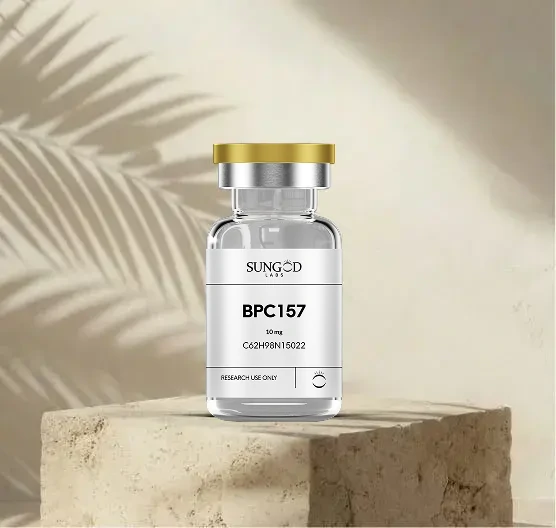
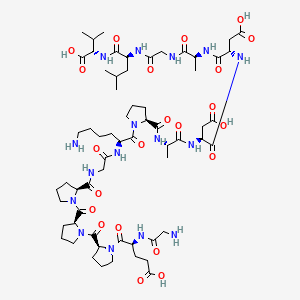
BPC-157 (5mg) / 10(mg) is a peptide that has been widely studied in regenerative medicine and sports rehabilitation. BPC-157 is a synthetic pentadecapeptide derived from a protein found in gastric juice. Each peptide promotes healing through distinct mechanisms: BPC-157 enhances angiogenesis and reduces inflammation. It offers a synergistic effect in supporting tissue regeneration, soft tissue recovery, and inflammation control.
It contains about 5 milligrams of the BPC-157 of the lypholized powder. It can be reconstituted with about 0.5 ml of water, as it provides a concentration of 10 mg/ml.
It contains about 10 milligrams of the BPC -157 lyophilized powder, as it can be reconstituted with about 1 ml of water. Also, it typically provides a concentration of 10mg per ml.
The BPC-157 has been widely researched for having the ability to heal the ligaments, tendons and muscle injuries. Especially in the sports medicine context. Also, it works by stimulating the fibroelastic activities and enhancing the collagen synthesis, along with accelerating the healing of tendons to bone defects.
Studies have shown that PBC can help promote expressions of the vascular endothelial and activate the ERK1/2 for signalling the pathway and leading to increased migration and proliferation of the endothelial cells. As it improves the blood flow.
The research shows that BPC-157 has enormous neuroprotective properties, helping in the recovery of spinal cord injuries along with peripheral nerve regeneration, reducing symptoms of stroke and Alzheimer’s.
BPC-57 accelerates the vascular endothelial growth factor receptor 2 (VEGFR2) pathways, and it widens blood vessels pathways. It increases the nitric oxide for producing the Akt-eNOS pathways and causes the vasodilatation, improving blood flow to the damaged tissues.
Peptides will stimulate the fibroblasts’ proliferation as they will increase the collagen synthesis, crucial tendon repair and bone injuries. It upregulates the growth hormone and tendon fibroblasts, enhancing the anabolic healing.
The BPC-157 will reduce the pro-inflammatory cytokines like IL6 and TNF as it shifts the macrophage activities from a pro-inflammatory to a reparative one.
Findings: Accelerated healing of Achilles tendon injuries in rats; promoted tendon outgrowth without scar formation
Findings: Protected stomach and intestinal lining from NSAID-induced damage; healed ulcers rapidly
Findings: Enhanced recovery and reduced nerve damage post-injury
Findings: Promoted angiogenesis and new blood vessel formation; accelerated tissue healing
Findings: Reduced brain and spinal cord damage in TBI models; supported regeneration
Note : Please review and adhere to our Terms and Conditions before ordering
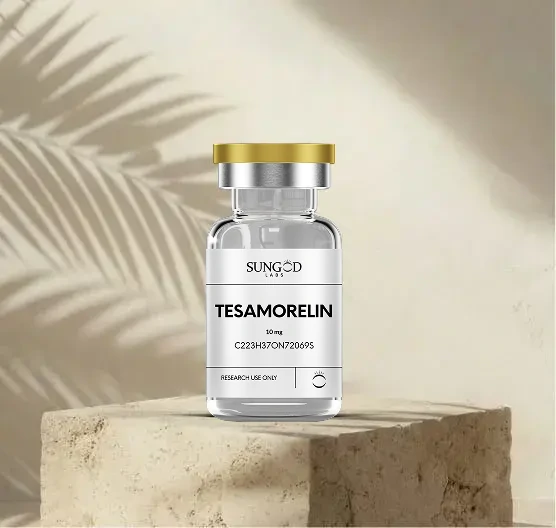
Tesamorelin(10mg) is a synthetic growth hormone-releasing hormone (GHRH) analog developed to stimulate endogenous growth hormone (GH) secretion. It is FDA-approved for reducing excess abdominal (visceral) fat in patients with HIV-associated lipodystrophy. By increasing GH and IGF-1 levels, Tesamorelin promotes lipolysis while preserving lean body mass. It is also being investigated for broader metabolic and fat-reduction benefits, including potential applications in non-HIV-related obesity and non-alcoholic fatty liver disease (NAFLD).
| Quantity | 10mg |
|---|
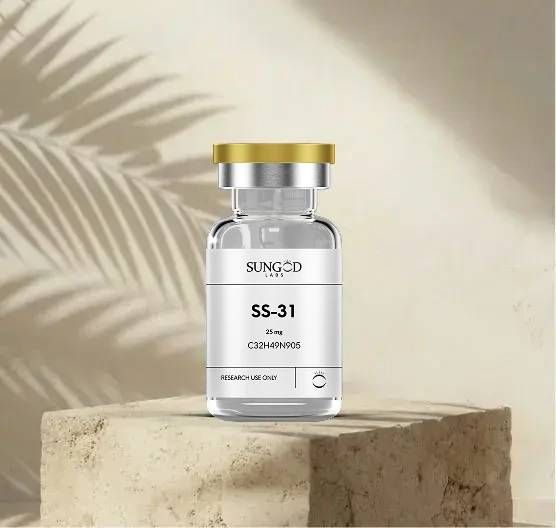
SS-31 peptide is a mitochondria-targeted synthetic peptide from the Szeto-Schiller (SS) family, designed to protect and restore mitochondrial function. It selectively accumulates in the inner mitochondrial membrane (IMM), stabilizes cardiolipin, reduces oxidative stress, and enhances ATP production. SS-31 has been widely studied for its therapeutic potential in neurodegenerative, cardiovascular, metabolic, and renal conditions in which mitochondrial dysfunction is a core feature.
| Quantity | 25mg |
|---|
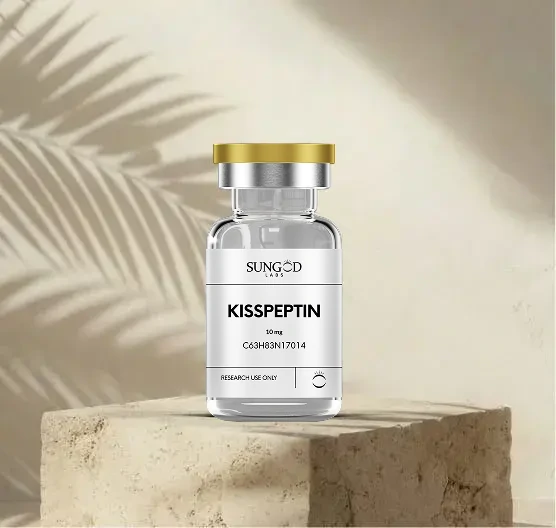
Kisspeptin is a neuropeptide hormone that plays a central role in the regulation of the reproductive hormone axis. It acts as a master regulator of gonadotropin-releasing hormone (GnRH) by binding to the KISS1 receptor (GPR54) in the hypothalamus. This triggers the release of GnRH, which subsequently stimulates the secretion of luteinizing hormone (LH) and follicle-stimulating hormone (FSH), governing sex hormone production and reproductive function. Kisspeptin is increasingly recognized for its therapeutic potential in fertility, puberty regulation, and hormone restoration.
| Quantity | 10mg |
|---|

GLP-1 R activates GLP-1, GIP, and glucagon receptors and is used in laboratory research to study metabolic pathways, receptor activity, and peptide interactions. Compounds like this are commonly studied in preclinical and research settings to explore potential therapeutic mechanisms.
| Quantity | 16mg, 24mg |
|---|