What is BPC-157 Used For?
The BPC-157 is a synthetic pentadecapeptdie (a kind of peptide made from almost 15 amino acids) as it is based on the segments from a natural peptide (BPC) and can be derived from gastric juice.
The BPC-157 peptide improves :
- Musculoskeletal healing.
- Growth hormone, and.
- Soft tissue repair receptor.
- Reduces inflammation and pain.
The BPC-157 therapy is used for supporting healing, and is a primary substance potent for promoting angiogenesis, reticulin and collagen production.
Potential Benefits of BPC-157
In the latest research, it has been estimated that BPC-157 is the most important factor used in the full stress response, and can be launched by the gastrointestinal system when the body is highly exposed to noxious stress.
This can also damage the organs and body tissue (like injuries, toxins and inflammation). Because the gastrointestinal tract is the home to millions of nerves, which include chemical messengers, neurons and neurotransmitters.
This all gets down to the one possibility that bpc 157 peptide can influence the range of bodily processes. For instance, the researchers review the data on the gut-brain axis, and the BPC-157 can explain that the peptide can maintain the gastrointestinal mucosa, modulating the serotonergic and dopaminergic systems.
It regenerates the peripheral nerves, contains neurons and counteracts the types of lesions to promote wound healing.
Most of the possible benefits can be due to the promotion of the BPC-157 promotion of the cell migration and vascular endothelial cells. These peptides can encourage the formation of blood vessels.
How Best BPC 157 Performs in the Body
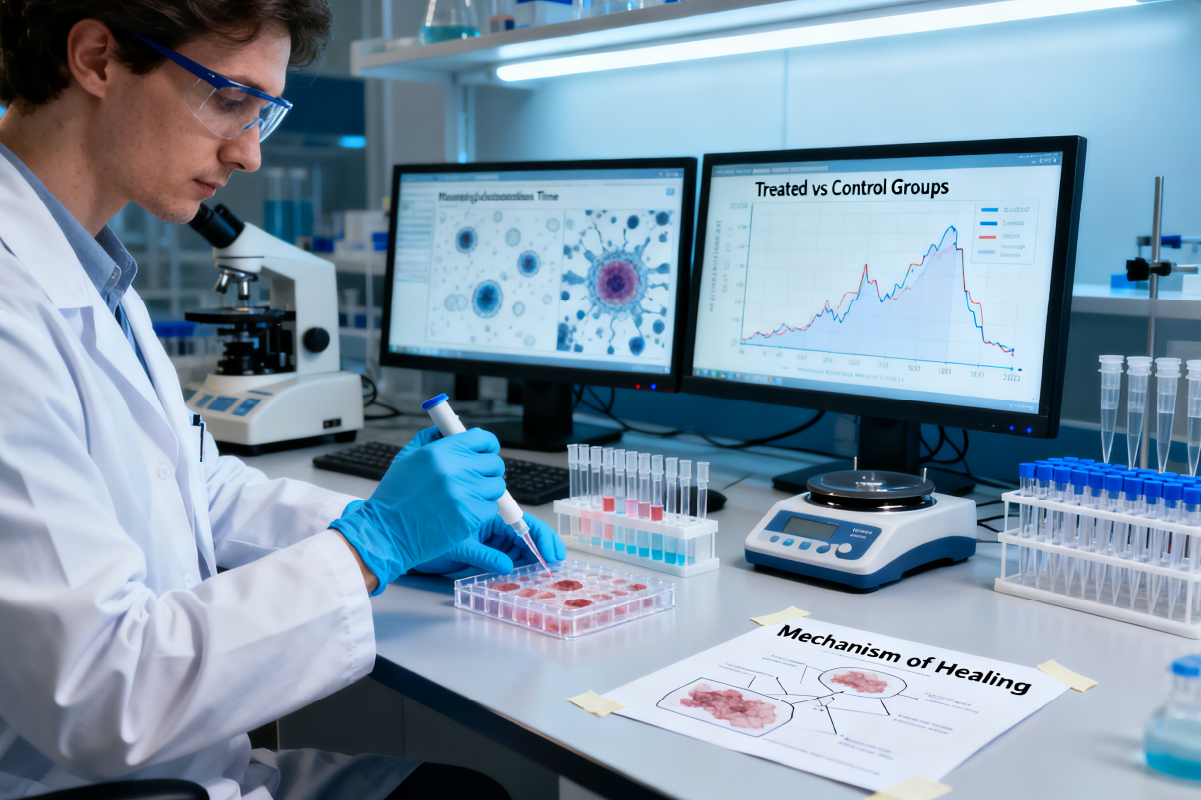
The best bpc 157 promotes healing, influences the key biological pathways and can be involved in teh tissue repair, inflammation control and cellular regeneration. So, unlike the compounds walking through the hormonal manipulation, the BPC-157 can act directly on the site of the damage.
1. Growth Factor Signalling
The BPC-157 enhances the activity of multiple growth factors, including the VEGF (vascular endothelial growth factor), the TGF (that is, a transforming growth factor beta) and the FGF (which is a fibroblast growth factor). All of these can be crucial for angiogenesis, fibroblast migration, and collagen production. As it can be essential in soft tissue healing.
2. Nitric Oxide and Blood Flow Modulation
This peptide also improves the endothelial functions and regulates the nitric oxide activity. It also enhances the blood circulation and the oxidative stress, as both support faster healing and reduce inflammation.
3. Tendon and Ligament Regeneration
Various preclinical studies have shown that BPC-157 accelerates the tendon ot bone healing and increases the collagen fibres. It also promotes the outgrowth of the fibroblasts, tenocytes and helps in repairing the ligaments and tendons for greater structural integrity.
4. Neuroprotective and Gut-Regenerative Effects
Studied for the gastrointestinal repair, the BPC-157 can remain effective in healing epithelium, reduces the ulcer formation and supports the gut barrier function. These studies also suggest that it can promote nerve regeneration and protect it against the rain injury by modulating dopamine and serotonin.
Is BPC-157 safe?
Various animal studies suggest that BPC-157 can be generally safe. According to a review on the safety of the bpc 157 for sale in the clinical animal studies, the study states that the peptide doesn’t show any test-related effects in the single dose toxicity and can be well tolerated in the repeated dosage evaluations. It’s strictly prohibited for human use.
Conclusion:
The BPC-157 shows a high potential in accelerating tissue repair, supports gut health and reduces inflammation. The research can still be in its early stages, especially in the animal models. Various scientific studies can underscore its effects in therapeutic possibilities. Various studies are still required to understand its safety, long-term effects and dosages.
References:
https://www.corepeptides.com/?s=BPC-157&et_pb_searchform_submit=et_search_proccess&et_pb_include_posts=yes
https://pubmed.ncbi.nlm.nih.gov/18492134/
https://pubmed.ncbi.nlm.nih.gov/8757844/
https://www.sciencedirect.com/science/article/abs/pii/S0167011509002341?via%3Dihub